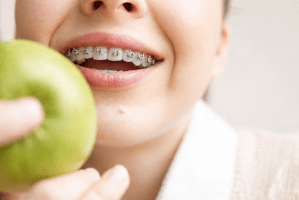
For decades, the image of orthodontic treatment was unmistakable: metal brackets, tightened wires, and a slow, often uncomfortable march toward straighter teeth. It was a rite of passage for many—and something others quietly avoided.
Today, that image is changing.
Clear aligners, most notably Invisalign, have reshaped how orthodontists approach treatment and how patients experience it. What was once a highly visible, fixed process has become something far more discreet, flexible, and, in many cases, more predictable.
But Invisalign is often misunderstood. It is not simply a cosmetic alternative to braces. It is, in fact, an entirely different system.
A System Built on Precision, Not Hardware
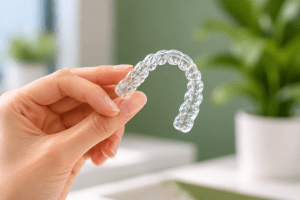
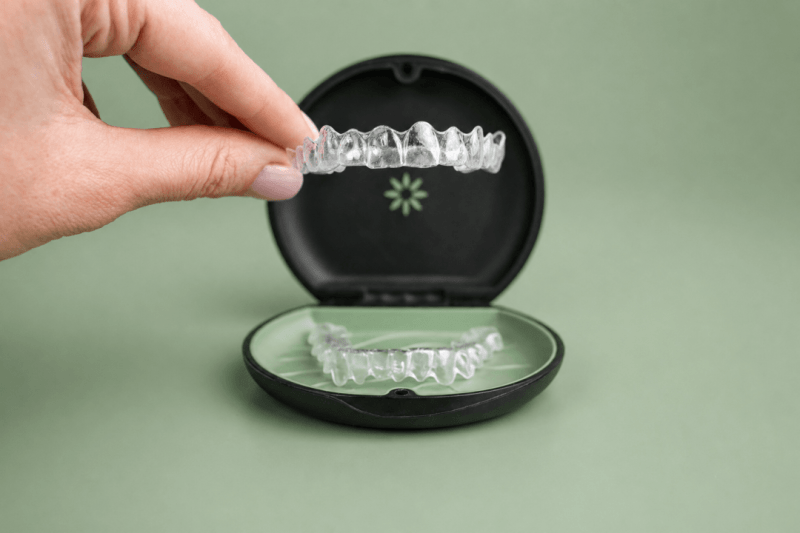
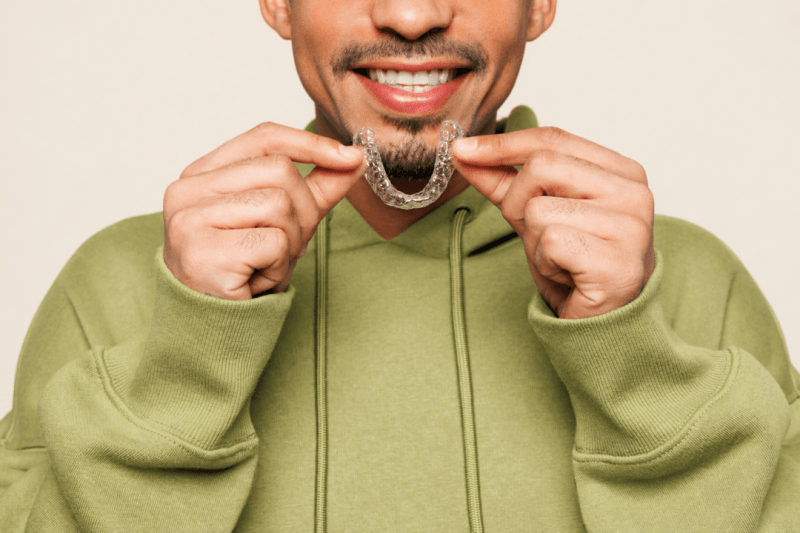
At its core, Invisalign replaces brackets and wires with a series of transparent, removable aligners—each one calibrated to move specific teeth by small, controlled increments.
Rather than making adjustments in real time, as with traditional braces, the entire course of treatment is mapped digitally before it even begins. Using advanced imaging, orthodontists create a step-by-step blueprint of tooth movement, allowing patients to preview how their smile will evolve over time.
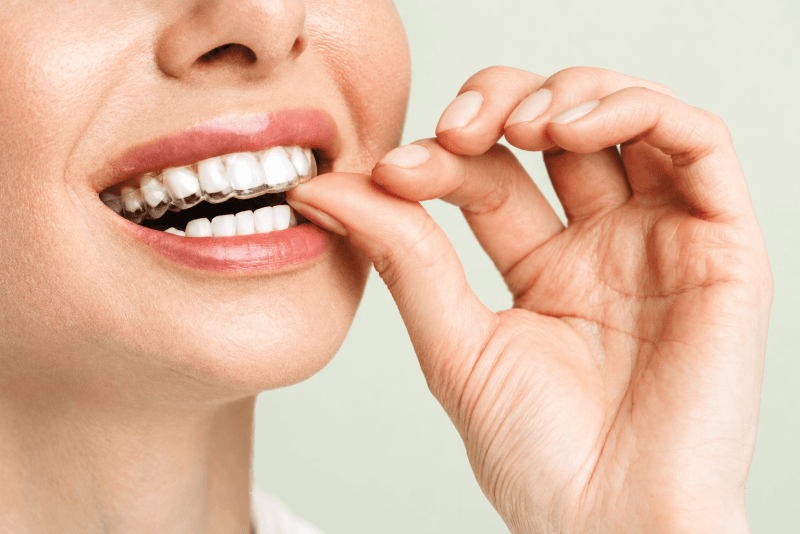
Each aligner is fabricated from a proprietary thermoplastic material designed to apply consistent, gentle force. Worn for 20 to 22 hours a day and changed approximately every two weeks, the trays build on one another, guiding teeth into alignment with a level of precision that was difficult to achieve in earlier generations of orthodontics.
A Different Experience From Braces
The distinction between Invisalign and traditional braces is not merely aesthetic—it is structural.
There are no brackets bonded to the teeth. No wires to tighten. No unexpected adjustments mid-treatment. Instead, the process is pre-engineered, with each stage planned in advance.
For patients, this often translates into fewer in-office visits and a more predictable experience overall. It also allows for something that was once unheard of in orthodontics: the ability to see the end result before committing to the process.
The Role of Expertise
Technology, however, is only part of the equation.
The success of Invisalign treatment depends heavily on how that digital plan is designed. Subtle decisions—how much to move a tooth, when to move it, and in what sequence—can significantly affect both the efficiency of treatment and the final result.
At Alinea Orthodontics, treatment planning is led by a Diamond+ Invisalign provider and a board-certified orthodontist through the American Board of Orthodontics, a distinction held by fewer than half of practitioners in the field. That level of training informs not just the tools used, but how they are applied.
From First Scan to Final Result
The process begins with a consultation, often more conversational than clinical. The goal is not simply to recommend Invisalign, but to determine whether it is the right solution at all.
If it is, a 3D digital scan replaces the traditional impression—a small but meaningful shift for anyone who remembers the discomfort of older methods. That scan becomes the foundation of the treatment plan, charting each movement from start to finish.
Because every aligner is created from this digital model, each stage of treatment is highly individualized. Teeth move in sequence, with timing and force carefully controlled.
Living With Aligners
Perhaps the most notable difference is how seamlessly Invisalign integrates into daily life.
Aligners are removed for meals, meaning there are no dietary restrictions. Oral hygiene remains unchanged—no navigating around brackets or threading floss through wires. After an initial adjustment period, typically a matter of days, most patients find the routine becomes automatic.
In some cases, progress can even be monitored remotely through apps that allow orthodontists to track movement between visits, reducing the need for frequent in-office appointments.
Who It Is For
Invisalign can address a wide range of orthodontic concerns, from crowding and spacing to more complex bite issues such as overbites, underbites, and crossbites.
For teenagers, the appeal is often immediate: treatment that does not interfere with sports, social events, or photographs.
For younger children, early intervention can make a meaningful difference. Through Invisalign First, treatment works alongside natural jaw development to create space before crowding becomes more complex. You can learn more about [early orthodontic treatment at Alinea].
For adults—many of whom delayed treatment for years—the option offers a way to revisit orthodontics with discretion. Explore what [adult orthodontics at Alinea] looks like in practice.
Beyond Aesthetics
Straightening teeth is often framed as a cosmetic decision, but the implications extend further.
According to the American Association of Orthodontists, untreated orthodontic issues can become more complex over time. And the American Dental Association notes that misaligned teeth can make effective cleaning more difficult, increasing the long-term risk of decay and gum disease.
In that sense, orthodontic treatment is as much about long-term health as it is about appearance.
A Subtle Shift, A Significant Change
Invisalign does not simply replicate what braces have always done—it reimagines how it is done.
The wires are gone. The brackets, too. In their place is a quieter, more deliberate process—one that unfolds gradually, often almost invisibly, until the final result becomes clear.
The Next Step, Thoughtfully Designed
If you’ve been considering orthodontic treatment—even quietly, for years—this is where clarity begins.
At Alinea Orthodontics, every Invisalign journey starts with a complimentary consultation and 3D scan, designed to give you a complete, honest picture of your options. No pressure, no assumptions—just a clear understanding of what’s possible for your smile.
For a limited time, Alinea is offering $1,000 off Invisalign treatment*. Book your consultation today or call (424) 428-0008 to speak with the team.
Conditions may apply.